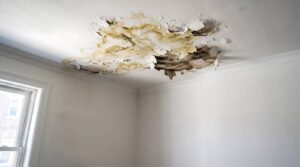
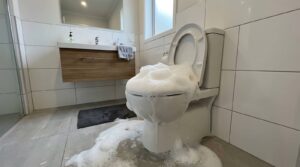
You might be surprised to learn that mold can thrive in your home without any visible signs. Understanding how mold grows, especially in areas exposed to moisture, is essential for effective, affordable mold remediation. Homeowners often overlook affordable solutions that can be implemented before considering professional help. By exploring cost-effective techniques and DIY methods, you can take control of the situation. But what steps should you prioritize to ensure long-term success in mold management?
Key Takeaways
- Conduct thorough mold testing to assess the type and extent of contamination before starting remediation efforts.
- Utilize natural cleaning solutions like vinegar or baking soda for effective and cost-efficient mold removal.
- Improve air quality with HEPA air purifiers and ensure proper ventilation in high-humidity areas to prevent mold growth.
- Maintain indoor humidity levels between 30-60% and use dehumidifiers in damp spaces to inhibit mold reoccurrence.
- Regularly inspect for leaks or water damage and promptly address any issues to minimize future mold growth risks.
Understanding Mold Growth in Sewage-Contaminated Areas
When sewage contaminates an area, mold can thrive rapidly due to the combination of organic material and moisture present. In these conditions, mold spores find an ideal environment to grow, leading to potential health risks from sewage exposure.
The organic matter in sewage acts as a nutrient source for mold, while the moisture ensures that spores remain viable and can proliferate.
You should be aware that mold growth can start within 24 to 48 hours after contamination, making prompt action vital. Identifying and addressing this issue early can help protect your health and maintain a safe living environment.
The types of mold that typically flourish in sewage-contaminated areas can vary, some of which may produce allergens or toxins.
Understanding the dynamics of mold growth in these scenarios empowers you to take informed steps toward remediation and prevention, fostering a healthier community for everyone.
Cost-Effective Mold Remediation Techniques
Although mold remediation can seem intimidating, there are several cost-effective techniques that can effectively address the problem without breaking the bank.
First, consider conducting mold testing to identify the type and extent of the contamination. This step helps tailor your approach, ensuring you tackle the specific issues affecting your home.
Next, focus on improving air quality by using air purifiers equipped with HEPA filters. These devices can capture airborne mold spores, reducing their presence considerably.
Additionally, make certain proper ventilation in high-humidity areas, such as bathrooms and kitchens, to prevent mold from returning.
Using natural solutions like vinegar or baking soda can also aid in mold removal, as they’re inexpensive and less harmful than harsh chemicals.
Implementing these techniques saves money and fosters a healthier living environment, allowing you to feel confident in your mold remediation efforts.
DIY Mold Removal Methods for Homeowners
If you’re facing a mold issue in your home, employing DIY mold removal methods can be an effective and budget-friendly solution. Start by creating homemade solutions, such as a mixture of water and white vinegar or baking soda, to tackle surface mold. These ingredients are safe and readily available. Apply the solution to affected areas, scrub with a brush, and rinse thoroughly.
However, before diving in, it’s important to take safety precautions. Wear gloves, a mask, and goggles to protect yourself from mold spores. Ensure proper ventilation while you work, opening windows or using fans to circulate air.
After removing the mold, consider using a dehumidifier to prevent future growth. Remember, while DIY methods can be effective for minor issues, staying vigilant about your home’s environment will help you maintain a safe and healthy living space.
When to Hire a Professional Mold Remediation Service
How do you know when it’s time to bring in a professional mold remediation service? If you’ve noticed mold growth exceeding ten square feet, it’s a clear sign to seek help.
DIY methods may not effectively eliminate larger infestations, and improper handling can escalate health risks. Additionally, if you experience persistent respiratory issues, headaches, or allergic reactions, mold might be the culprit, warranting a thorough mold inspection by experts.
Professional remediation services identify hidden mold and employ specialized equipment to ensure complete removal.
If the mold is linked to water damage or if you can’t determine the source, professionals can assess and address the underlying issue.
Preventing Future Mold Growth After Remediation
Once your home has undergone mold remediation, taking proactive steps to prevent future growth is crucial.
By implementing effective strategies, you can create a healthier living environment. Here are three key actions you should consider:
- Humidity Control: Keep indoor humidity levels between 30-60%. Use dehumidifiers in damp areas like basements, and regularly check humidity levels with a hygrometer.
- Ventilation Improvement: Ensure proper airflow in your home. Open windows when weather permits and use exhaust fans in kitchens and bathrooms to reduce moisture buildup.
- Regular Inspections: Periodically check for leaks and water damage. Address any issues promptly to minimize the potential for mold growth.
Frequently Asked Questions
Can Mold Grow in My Home During Winter Months?
Yes, mold can grow in your home during winter. High indoor humidity and poor ventilation create ideal conditions for mold. Make certain you manage moisture levels and improve airflow to prevent mold growth in colder months.
What Health Risks Are Associated With Mold Exposure?
Mold exposure can lead to various health risks, including respiratory issues like asthma and chronic coughing. You might also experience mold symptoms such as sneezing, skin irritation, or fatigue, highlighting the importance of addressing mold promptly.
How Can I Identify Hidden Mold in My Home?
You can identify hidden mold by using mold detection methods like moisture meters and infrared cameras. Focus on checking hidden moisture sources, such as behind walls or under sinks, where mold often thrives unnoticed.
Are There Specific Types of Mold That Are More Harmful?
Some molds, like black mold, are toxic and pose serious health risks. You should implement prevention strategies, such as controlling humidity and addressing leaks, to create a safer environment for you and your loved ones.
Can I Use Vinegar to Prevent Mold Growth?
Yes, you can use vinegar to prevent mold growth. Its acidity disrupts mold spores, making it an effective solution. Regularly applying vinegar benefits your home’s cleanliness and creates a healthier living environment for everyone.
Recap
Tackling troublesome mold doesn’t have to tax your wallet. By utilizing practical prevention practices and proactive DIY methods, you can conquer contamination effectively. Remember to regularly inspect your space and maintain ideal humidity levels to thwart future growth. With consistent care and clever strategies, you’ll foster a fresh, safe environment in your home. Embrace these affordable approaches, and you’ll ensure a mold-free sanctuary for you and your loved ones.