After a mold emergency, it’s crucial to act quickly and methodically. You’ll need to assess the damage by documenting affected areas and identifying moisture sources. Safety is paramount, so make sure you have the right protective gear and evacuate the space if necessary. The next steps involve removing contaminated materials and drying the area thoroughly. Understanding these processes can greatly affect the outcome of your remediation efforts, but there’s more to contemplate regarding long-term prevention.
Key Takeaways
- Assess and document the damage by identifying affected areas, taking photographs, and creating a detailed list of damaged items for insurance claims.
- Ensure safety precautions by evacuating affected areas, wearing protective gear, and sealing off spaces to prevent mold spore spread.
- Remove contaminated materials carefully, placing porous items in sealed bags and cleaning non-porous surfaces with a detergent solution.
- Dry and clean the affected area by eliminating moisture sources, using dehumidifiers, and applying EPA-registered disinfectants to surfaces.
- Seek professional help for accurate assessments, effective remediation strategies, and implement preventative measures to control humidity and improve ventilation.
Assess the Damage
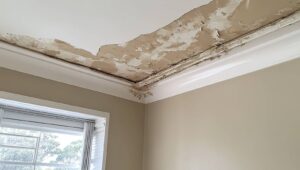
After a mold emergency, the first step is to assess the damage in detail. Start by identifying areas affected by mold growth, focusing on walls, ceilings, and any hidden spaces like behind appliances.
Use a flashlight to inspect for discoloration or a musty odor, both indicators of mold presence. Document the extent of the damage with photographs and notes, as this will aid in discussions with professionals and insurance claims.
Next, evaluate the materials impacted. Porous materials like drywall and carpeting may need replacement, while non-porous surfaces can often be cleaned.
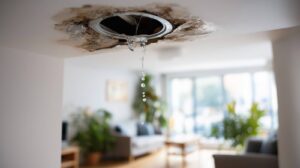
Consider the source of moisture that led to the mold growth; addressing this is vital to prevent future issues. A thorough damage assessment helps you understand the immediate impact and guides the recovery process effectively, ensuring a safer, healthier environment for you and your loved ones moving forward.
Ensure Safety Precautions
After a mold emergency, you must prioritize safety by evacuating affected areas to prevent exposure to harmful spores.
Always wear protective gear, such as gloves, masks, and goggles, to shield yourself from potential health risks.
Taking these precautions is essential for your well-being as you address the situation.
Evacuate Affected Areas
When facing a mold emergency, it’s vital to evacuate affected areas immediately to ensure your safety and health.
A well-prepared evacuation plan is key to ensuring a swift emergency response. Here are the steps to follow:
- Identify and seal off the affected areas to prevent mold spores from spreading.
- Notify all occupants of the emergency and guide them to safe locations.
- Avoid using fans or air conditioning, as this could circulate mold spores.
- Once evacuated, avoid re-entering until a professional has assessed and cleared the area.
Wear Protective Gear
Once you’ve evacuated the affected areas, it’s important to prioritize your safety by wearing appropriate protective gear.
This means donning protective clothing, such as long sleeves, pants, and gloves, to shield your skin from mold spores.
Make certain to use a mask that filters out airborne particles; N95 respirators are a reliable choice.
Safety equipment like goggles can also protect your eyes from irritation.
By equipping yourself with these essentials, you reduce health risks and foster a sense of community responsibility.
Remember, mold can affect anyone, and taking these precautions shows you care about your well-being and that of others.
Always approach the situation with caution and verify you have the right gear before re-entering any contaminated spaces.
Remove Contaminated Materials
After identifying the materials affected by mold, it’s essential to use safe removal techniques to prevent further contamination.
Make certain you wear protective gear and follow guidelines for handling each type of material.
Finally, dispose of contaminated items properly to minimize health risks and avoid spreading spores.
Identify Affected Materials
Identifying affected materials is essential in addressing a mold emergency effectively. By recognizing the mold types and the surfaces impacted, you can take appropriate action.
Start by examining the following areas:
Walls and Ceilings: Look for discoloration or warping, which may indicate mold growth.
Carpets and Rugs: Check for dampness or a musty odor, as these can harbor mold.
Furniture: Inspect upholstered items, as they can absorb moisture and become breeding grounds for mold.
HVAC Systems: Verify filters and ducts are clean, as they can circulate mold spores throughout your home.
Once you’ve identified affected materials, you’ll be better equipped to tackle the mold issue and restore a healthy living environment for everyone.
Safe Removal Techniques
Addressing a mold emergency involves more than just identifying affected materials; it’s also critical to safely remove contaminated items to prevent further spread.
Start by wearing protective gear —gloves, masks, and goggles —to ensure your safety during the mold removal process.
Carefully remove any porous materials like drywall or carpets that have been affected, placing them in sealed bags to minimize spore release.
Non-porous items can be cleaned with a mixture of water and detergent before drying thoroughly.
Always handle these materials with caution, as disturbing them can release spores into the air.
Proper Disposal Methods
Once you’ve removed contaminated materials, disposing of them properly is essential to prevent further mold growth and ensure safety.
Proper mold disposal requires a systematic approach to ascertain effective waste management. Here are some guidelines to follow:
Seal Contaminated Items: Use heavy-duty plastic bags or containers to seal items securely.
Label Waste: Clearly label the bags or containers as “Mold Contaminated” to alert waste handlers.
Follow Local Regulations: Check local waste management guidelines for specific disposal instructions.
Contact Professionals: If you’re unsure, engage a mold remediation specialist to confirm safe disposal.
Dry the Affected Area
As you tackle the aftermath of a mold emergency, drying the affected area is vital for preventing further growth and damage.
Start by identifying and eliminating the source of moisture, whether it’s a leak, humidity, or condensation. Use effective mold drying techniques like dehumidifiers and fans to circulate air and promote evaporation. Open windows and doors to enhance airflow, which aids in faster drying.
Moisture control is essential; aim for humidity levels below 60% to inhibit mold regrowth.
Monitor the area closely, checking for any signs of dampness or lingering moisture. If you’re dealing with extensive damage, consider hiring professionals who specialize in mold remediation. They’ve the expertise and equipment necessary for thorough drying and ensuring the area is safe for you and your loved ones.
Clean and Disinfect Surfaces
After drying the affected area, the next step involves cleaning and disinfecting surfaces to eliminate any remaining mold spores and prevent future growth.
Effective cleaning is essential, and choosing the right disinfectant types can make all the difference.
Here’s a quick guide to help you through the process:
Select a Disinfectant: Use EPA-registered products effective against mold and mildew.
Prepare Your Cleaning Solution: Dilute the disinfectant according to the manufacturer’s instructions for best results.
Scrub Surfaces: Apply the solution to affected surfaces and scrub thoroughly to remove any visible mold.
Rinse and Dry: Rinse the area with clean water and confirm it’s completely dry to inhibit mold resurgence.
Use Dehumidifiers
Using dehumidifiers can greatly reduce humidity levels in your home, which is crucial for preventing mold growth. You’ll find there are several dehumidifier types, including refrigerant and desiccant models, each designed for specific situations.
For best settings, aim for a humidity level between 30% and 60% to effectively inhibit mold spores.
When choosing a dehumidifier, consider the size of the area you need to treat. Portable units work well for small spaces, while whole-home dehumidifiers can manage larger areas. Regularly check the unit’s water collection tank and clean the filters to maintain efficiency.
Once you’ve set it up, monitor humidity levels with a hygrometer to ensure they remain within the ideal range.
Inspect for Hidden Mold
Inspecting for hidden mold is essential in the aftermath of a mold emergency, as it can lurk in areas not immediately visible.
To effectively identify these hidden mold locations, you can utilize several mold detection techniques:
Check behind walls: Use a moisture meter to detect dampness in drywall or plaster.
Inspect underneath sinks: Look for signs of leaks, as these areas are often damp and prone to mold growth.
Examine HVAC systems: Mold can thrive in ducts; consider inspecting and cleaning these areas.
Look in crawl spaces and attics: These areas can retain moisture and may not be frequently checked.
Seek Professional Help
After evaluating the extent of mold damage, it’s vital to seek professional help.
Certified specialists can accurately appraise the situation and recommend effective remediation strategies.
Scheduling an immediate evaluation ensures you tackle the problem before it worsens.
Assess Damage Extent
While you may feel overwhelmed after a mold emergency, evaluating the extent of the damage is essential to ensuring a safe and effective response.
Understanding the different mold types and their associated health risks is vital in this assessment. Here’s how to approach it:
Identify Affected Areas: Inspect all spaces, including hidden corners or behind furniture.
Assess Mold Types: Determine if you’re dealing with black mold or other species, as each poses varying health risks.
Evaluate Structural Damage: Look for warped walls, ceilings, or floors that indicate deeper issues.
Check for Moisture Sources: Identify leaks or humidity levels that may contribute to mold growth.
Choose Certified Specialists
Choosing certified specialists is essential for effectively addressing mold issues, especially since improper handling can exacerbate health risks and structural damage.
When you seek professional help, confirm that the specialists meet certification requirements relevant to mold remediation. These qualifications often include specific training in mold identification, containment, and removal techniques.
Certified specialists are equipped with the knowledge to assess your situation accurately and implement effective solutions, minimizing future risks. Additionally, they follow industry standards, which fosters a sense of trust in their expertise.
Don’t hesitate to ask about their qualifications and experience; doing so protects your home and confirms the safety of your family.
Relying on certified professionals fosters a healthier living environment for everyone.
Schedule Immediate Assessment
Once you’ve enlisted certified specialists, the next step is to schedule an immediate assessment of your property. This assessment is essential for implementing effective emergency response plans and using appropriate mold assessment techniques.
Here’s what to expect during the evaluation:
Visual Inspection: Experts will examine your space for visible mold growth.
Moisture Mapping: They’ll assess moisture levels to identify hidden mold sources.
Air Quality Testing: Specialists will sample the air to detect mold spores and allergens.
Material Testing: They may analyze building materials for contamination.
Document the Damage
As you assess the aftermath of a mold emergency, documenting the damage becomes essential for both remediation and potential insurance claims. Start by taking extensive photographic evidence of all affected areas. Capture close-ups of mold growth and any structural damage, ensuring you also include wider shots to provide context.
This visual documentation will serve as a vital reference during the claims process.
Next, make a detailed list of damaged items, noting their condition and estimated replacement costs. If possible, gather receipts or invoices for these items to support your claims.
Organizing this information streamlines communication with your insurance provider and also helps remediation professionals understand the extent of the damage.
Implement Preventative Measures
To effectively reduce the risk of future mold emergencies, implementing preventative measures is essential.
You can take proactive steps to ensure a healthier environment by adopting these mold prevention strategies:
Conduct Regular Inspections: Check for leaks, dampness, or discoloration in walls and ceilings every few months.
Control Humidity Levels: Keep indoor humidity below 60% using dehumidifiers if necessary.
Improve Ventilation: Ensure proper airflow in areas prone to moisture, like bathrooms and kitchens, by using exhaust fans.
Seal Cracks and Openings: Inspect and seal any cracks in your foundation or walls to prevent water infiltration.
Frequently Asked Questions
How Long Does It Take for Mold to Grow After Water Damage?
Mold can start growing within 24 to 48 hours after water damage, influenced by factors like humidity, temperature, and material type. Understanding this mold growth timeline helps you act quickly to mitigate potential health risks.
Can Mold Exposure Cause Long-Term Health Issues?
Yes, mold exposure can lead to long-term health issues. You might experience persistent mold symptoms like respiratory problems or allergies, and the health risks can escalate, affecting your quality of life and overall well-being.
What Types of Professionals Should I Hire for Mold Removal?
You should hire mold remediation specialists for effective removal and environmental health experts to assess potential health impacts. Their expertise ensures a thorough process, safeguarding your space and health while promoting a safe living environment.
Is It Safe to Stay in My Home During Mold Remediation?
It’s generally not safe to stay in your home during mold remediation. A thorough home evaluation by professionals ensures mold safety, protecting you from potential health risks associated with mold spore exposure during the process.
How Can I Tell if Mold Is Completely Removed?
You can tell mold’s completely removed by conducting thorough mold testing and performing a detailed visual inspection. Look for any signs of growth, and verify all areas are dry and clean to confirm successful remediation.
Recap
After a mold emergency, you’ve laid the groundwork for a healthier environment. Think of this process as rebuilding a house after a storm; you need to clear the debris and reinforce the structure to withstand future challenges. By evaluating damage, ensuring safety, and implementing preventative measures, you’re not just addressing the immediate threat but fortifying your space against future mold issues. Remember, vigilance and proactive steps are key to maintaining a mold-free haven.