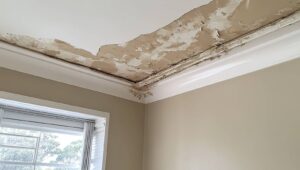
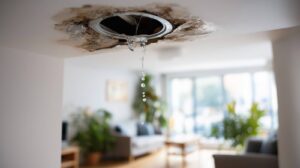
Basement water damage can ruin your home faster than you think. To keep your basement dry and protected, you need to adopt a proactive approach. From regular gutter maintenance to ensuring proper yard grading, there are several practical steps you can take. By addressing these areas, you’ll greatly reduce your risk of flooding and costly repairs. Let’s explore the essential tips that can help safeguard your basement against water damage.
Key Takeaways
- Regularly inspect and clean gutters to prevent clogs that can lead to water overflow and basement leaks.
- Ensure proper grading around your home to direct water away from the foundation.
- Install and maintain a sump pump to manage excess water in your basement effectively.
- Seal cracks in basement walls and floors with high-quality sealants to prevent moisture intrusion.
- Monitor indoor humidity levels and use dehumidifiers to reduce excess moisture and prevent mold growth.
Regularly Inspect and Maintain Gutters
Regularly inspecting and maintaining your gutters is crucial for preventing basement water damage. Clogged gutters can lead to overflowing, causing water to seep into your basement.
To keep your gutters in top shape, schedule gutter cleaning at least twice a year, ideally in spring and fall. This helps remove leaves, twigs, and debris that can block water flow.
Don’t forget to check the downspout extension as well. Make sure it directs water at least three to five feet away from your foundation. If your downspouts are short, consider adding extensions to prevent water pooling near your home.
During your inspection, look for any signs of damage, such as cracks or rust. Repairing these issues promptly can save you from costly problems later.
Ensure Proper Grading Around Your Home
After ensuring your gutters are clear, the next step is to check the grading around your home. Proper landscape slope is essential for directing water away from your foundation. Ideally, the ground should slope away from your house at a rate of about six inches over the first ten feet. This slope helps prevent water from pooling near your home, reducing the risk of basement water damage.
Examine your drainage systems, too. Make sure downspouts extend at least five feet from your foundation to further promote effective water flow.
If you notice any low spots or areas where water collects, consider adding soil to create a more favorable slope. You can even plant grass or shrubs in these areas to improve drainage and add beauty to your landscape.
Install and Maintain a Sump Pump
To effectively protect your basement from water damage, you need to install the right sump pump model that fits your home’s needs.
Regular maintenance checks are essential to ensure your pump runs smoothly, especially before storm season.
Don’t forget to test it periodically to confirm it’s ready to handle any unexpected downpours.
Choose the Right Model
When you’re choosing a sump pump, it’s essential to take into account your specific needs and the conditions of your basement.
Consider the size of your space and the typical water issues you face. A submersible pump is often more efficient for larger basements, while pedestal pumps may suffice for smaller areas.
Look for models constructed with waterproof materials to ensure durability and reliability.
Additionally, think about the drainage solutions in place; a pump that works well with your existing system can make all the difference.
Finally, check the horsepower and flow rate to verify it can handle heavy rains or flooding.
Choosing the right model is a smart investment in protecting your home and family.
Regular Maintenance Checks
Choosing the appropriate sump pump is just the beginning; regular maintenance checks are vital to confirm it operates effectively.
To keep your basement safe from water damage, follow these key steps:
Monthly Inspections: Check your sump pump at least once a month. Look for any signs of wear or damage.
Clean the Pump: Remove debris and dirt that could clog the pump. A clean pump is a reliable pump!
Test the Float Switch: Verify the float switch moves freely and isn’t stuck. This is critical for proper operation.
Moisture Monitoring: Regularly monitor basement humidity levels. This will help you catch potential issues early during your basement inspections.
Test Before Storm Season
As storm season approaches, ensuring your sump pump is both installed and functioning properly can save you from costly water damage.
Start by checking its operation—plug it in, pour water into the basin, and watch for it to activate. This simple test boosts your storm preparedness and gives you peace of mind.
Next, clean the sump pit and check for any debris that could obstruct the pump.
If you haven’t already, consider installing a battery backup to keep your pump running during power outages.
Stay updated with weather forecasting to anticipate heavy rains, allowing you to take proactive measures.
Seal Cracks and Openings in Walls and Floors
To prevent water damage in your basement, sealing cracks and openings in walls and floors is essential.
Regular crack inspection can help you identify vulnerable spots before they turn into major issues. Here’s how to tackle this task effectively:
Inspect: Examine your basement walls and floors for any visible cracks or gaps.
Clean: Remove any dirt, debris, or loose material around the cracks to ensure a solid seal.
Seal: Use a high-quality sealant or epoxy specifically designed for foundation sealing to fill the gaps.
Monitor: After sealing, keep an eye on the areas for any signs of moisture or new cracks.
Use Waterproofing Paints and Coatings
Using waterproofing paints and coatings can greatly enhance your basement’s protection against water damage.
These products form a barrier against moisture and improve the overall durability of your walls.
To get the best results, it’s essential to choose the right products and apply them correctly.
Benefits of Waterproofing Paints
When it comes to preventing water damage in your basement, waterproofing paints and coatings offer a reliable solution that protects your walls and floors from moisture intrusion.
Here are some key waterproofing benefits you’ll enjoy with proper paint application:
Moisture Barrier: Prevents water seepage and potential mold growth.
Durability: Increases the lifespan of your walls and floors, saving you money in the long run.
Ease of Maintenance: Makes cleaning easier, as surfaces repel dirt and grime.
Aesthetic Appeal: Enhances the look of your basement while providing protection.
Application Techniques and Tips
Although applying waterproofing paints and coatings may seem straightforward, achieving the best results requires careful preparation and technique.
Start by ensuring the surface is clean and dry, as any moisture can compromise the waterproofing effectiveness. If you’re using waterproofing membranes, make sure to install them according to the manufacturer’s guidelines. For best adhesion, apply a primer if recommended.
When painting, use a high-quality brush or roller, and apply in even strokes to avoid drips. It’s also wise to work in sections, allowing each part to dry before moving on.
Consider integrating drainage solutions like interior drains or sump pumps to enhance your waterproofing efforts. This thorough approach will help safeguard your basement against potential water damage.
Choosing the Right Products
Choosing the right waterproofing products can make all the difference in preventing basement water damage. With so many options available, focusing on product durability and waterproofing innovation is crucial.
Here are four key factors to take into account:
Type of Coating: Choose acrylic or epoxy-based waterproofing paints for superior protection.
Moisture Resistance: Look for products specifically designed to withstand high humidity and water exposure.
Application Ease: Select user-friendly options, especially if you’re DIY-ing the project.
Warranty and Reviews: Research customer feedback and warranties to verify you’re investing in reliable products.
Install a French Drain System
Installing a French drain system can be an effective way to prevent water from accumulating in your basement. This type of drainage system directs water away from your foundation, reducing the risk of flooding and mold growth.
For successful French drain installation, start by identifying areas where water tends to collect. Dig a trench that slopes away from your home, and line it with gravel to facilitate drainage. Place a perforated pipe at the bottom to catch excess water, ensuring it leads to a designated outflow area.
The drainage system benefits are substantial; it keeps your basement dry, and it enhances the overall value of your property. Plus, it can save you from costly repairs down the line.
With a French drain in place, you can enjoy peace of mind, knowing you’ve taken a proactive step in protecting your home from water damage.
Monitor Indoor Humidity Levels
How can you effectively manage the moisture levels in your home to prevent basement water damage? One vital aspect is monitoring indoor humidity levels. Keeping humidity in check helps protect your basement and ensures a comfortable living environment.
Here are four practical steps to achieve effective humidity control:
Use Moisture Sensors: Install moisture sensors in your basement to track humidity levels. These devices alert you when levels rise above recommended thresholds.
Ventilate Properly: Open windows and use exhaust fans in areas prone to moisture, like kitchens and bathrooms.
Utilize Dehumidifiers: Invest in a dehumidifier for your basement; it can greatly reduce excess moisture.
Regularly Check Plumbing: Inspect pipes, faucets, and appliances for leaks to prevent unwanted water accumulation.
Maintain Proper Landscaping and Drainage
To prevent water damage in your basement, start by ensuring your yard is graded correctly to direct water away from your foundation.
Regular gutter maintenance is essential; clean them out to avoid clogs that can lead to overflow.
Additionally, consider landscape design strategies that incorporate native plants and proper drainage features to enhance water management around your home.
Grading for Water Flow
Proper grading around your home is essential if you want to effectively direct water away from your basement and prevent damage.
By ensuring proper landscaping and drainage, you can implement effective drainage solutions and enhance water diversion. Here are four key steps to contemplate:
Slope the Ground: Verify the soil slopes away from your foundation by at least 6 inches over 10 feet.
Install Drainage Systems: Think about adding French drains or sump pumps to manage excess water.
Maintain Vegetation: Plant trees and shrubs away from the foundation to avoid roots disrupting drainage.
Regularly Check Grading: Periodically assess your yard for erosion or settling, and adjust as needed.
Taking these steps can considerably reduce the risk of basement water damage, fostering a safer home environment.
Gutter Maintenance Essentials
While you may have the best grading around your home, neglecting your gutters can still lead to significant water damage in your basement. Regular gutter maintenance is essential to prevent this.
Start by choosing the right gutter types for your home, whether they’re K-style, half-round, or seamless. Make certain your gutters are properly installed, directing water away from your foundation.
Clean them at least twice a year to remove debris that can cause clogs. Don’t forget to check downspouts for proper drainage; they should extend at least 3-4 feet away from your home.
Consider adding gutter guards for extra protection. By taking these steps, you’ll protect your basement and enhance your home’s overall value and appeal.
Landscape Design Strategies
Effective landscape design enhances your home’s curb appeal and plays an essential role in managing water drainage.
To prevent basement water damage, consider these strategies:
Adjust landscape elevation: Verify your yard slopes away from your home to direct water flow.
Incorporate drainage plants: Select native plants that thrive in wet conditions, helping absorb excess moisture.
Create rain gardens: Designate an area that collects rainwater, allowing it to slowly infiltrate the ground.
Install dry wells: These underground structures can capture and disperse stormwater, reducing flooding risks.
Check and Repair Plumbing Leaks Promptly
A small leak in your plumbing can quickly escalate into a significant problem if left unchecked. To prevent water damage in your basement, prioritize leak detection.
Regularly inspect pipes for any signs of moisture or corrosion. If you spot a leak, don’t hesitate to repair it promptly. Even a tiny drip can lead to mold growth and structural damage over time.
Additionally, ensure your pipes are properly insulated, especially in colder months. Pipe insulation not only helps prevent freezing but also minimizes condensation, reducing the risk of leaks.
If you’re unsure about your plumbing’s condition, consider hiring a professional to conduct a thorough inspection.
Consider Installing a Backup Power Source for Sump Pumps
If you’re relying on a sump pump to keep your basement dry, it’s crucial to assess installing a backup power source. Power outages can happen unexpectedly, and without backup power, your sump pump won’t function when you need it most.
Here are some options to reflect upon:
Battery Backup Systems: These systems automatically kick in when your primary power source fails, ensuring your sump pump continues to operate.
Generator Backup: A portable generator can provide reliable power during outages, but you’ll need to connect it safely to your sump pump.
Water-Powered Backup Pumps: These utilize your home’s water supply to pump out water and can be a great alternative if electricity is unavailable.
Regular Maintenance: Always ensure your backup power source is in good working order and test it periodically to confirm it will function during emergencies.
Taking these steps can give you peace of mind and protect your basement from water damage.
Frequently Asked Questions
How Often Should I Inspect My Basement for Water Damage?
You should inspect your basement for water damage at least twice a year. Regular basement inspections help you catch issues early, preventing costly repairs and ensuring your space remains safe and dry for everyone who uses it.
What Materials Are Best for Waterproofing Basement Walls?
Think of your basement as a fortress. To protect its walls, use waterproofing membranes and install efficient drainage systems. These materials act like shields, ensuring your space stays dry and welcoming for everyone who enters.
Can Landscaping Affect Basement Water Drainage?
Yes, landscaping affects basement water drainage. Proper landscape grading directs water away from your home, while effective drainage systems prevent pooling. Prioritize these elements to protect your basement and ensure a dry, welcoming space.
How Can I Tell if My Sump Pump Is Working?
You can tell if your sump pump’s working by testing it regularly. Pour water into the sump pit to see if it activates. Regular sump pump maintenance ensures it’s ready when you need it most.
What Are the Signs of Hidden Water Damage in Basements?
You’ll notice signs of hidden water damage in basements through moisture indicators like peeling paint, musty odors, or damp spots. Check for hidden leaks in walls or floors, as they can lead to significant issues.
Recap
By following these tips for basement water damage prevention, you can protect your home from costly repairs. Regular maintenance, such as cleaning gutters, sealing cracks, and installing a sump pump, can make a big difference when heavy rain hits. Taking proactive steps now helps safeguard your basement and keep it dry and safe—no matter the weather.