Emergency sewage cleanup is more complex than simply mopping up a spill; it requires a strategic approach to ensure safety and effectiveness. Many people underestimate the importance of evaluating hazards and securing the area before starting any cleanup. Without proper protocols, you risk further contamination and health issues. Understanding the essential techniques can make all the difference in restoring a safe environment. Here’s a closer look at the steps you need to take.
Key Takeaways
- Conduct a thorough hazard assessment to identify toxic fumes, contaminated water, and visible signs of sewage overflow before initiating cleanup.
- Shut off utilities like water, electricity, and gas to prevent further contamination and mitigate risks during the cleanup process.
- Use appropriate personal protective equipment (PPE) such as gloves, masks, and goggles to safeguard against harmful exposure during sewage cleanup.
- Employ suitable pumps, like submersible or effluent pumps, to effectively remove standing water while ensuring safety from electric shock hazards.
- Clean and disinfect affected areas using biocides, and maintain humidity levels between 30% and 60% to prevent mold growth after the cleanup.
Assessing the Situation and Ensuring Safety
When you encounter a sewage emergency, it’s essential to assess the situation quickly and ensure the safety of everyone involved. Start with a thorough hazard assessment, identifying potential risks such as toxic fumes or contaminated water.
Look for visible signs of sewage overflow and determine the extent of the problem. Engaging in a risk evaluation helps you prioritize actions, ensuring that immediate dangers are addressed first.
Evaluate the area for structural damage or hazardous materials that may pose additional risks. Communicate clearly with those present, directing them to safe locations away from the contaminated zone.
It’s vital to remain calm and collected, as this fosters a sense of security among those affected. By effectively conducting a hazard assessment and risk evaluation, you protect yourself and contribute to the safety and well-being of the community during this stressful situation.
Shutting Off Utilities and Securing the Area
When facing a sewage emergency, your first step is to turn off the water supply to prevent further contamination.
Next, ensure safety measures are in place, including securing the area to keep people away from hazardous materials.
This proactive approach helps minimize health risks while you address the situation effectively.
Turn Off Water Supply
In emergency sewage cleanup situations, turning off the water supply is a critical first step. This action prevents additional water from exacerbating the contamination and helps you manage the crisis more effectively.
Locate your main water shutoff valve—often found near the water meter or where the main line enters your home. Once you’ve found it, turn the valve clockwise to initiate the emergency shutoff.
By doing this, you’re protecting your environment and ensuring that you can tackle the sewage issue without further complicating matters.
Ensure Safety Measures
Before you start the cleanup process, it’s important to ensure safety measures are in place by shutting off utilities and securing the area.
First, turn off the electricity and gas to prevent any risk of shock or fire.
Next, put on personal protective equipment, like gloves, masks, and boots, to shield yourself from harmful pathogens.
Once you’re geared up, assess the area for hazards and cordon it off to keep others away—this is vital for both safety and effective emergency response.
Make sure everyone involved understands the risks and procedures.
Using Proper Protective Gear
Although it may seem tedious, using proper protective gear is crucial during sewage cleanup to ensure your safety and well-being.
This process involves exposure to harmful pathogens and toxic substances, making it critical to prioritize your personal hygiene. Wearing the right protective equipment reduces health risks considerably.
Consider the following items for effective protection:
- Nitrile gloves: These resist punctures and are effective against chemicals.
- Waterproof boots: Make sure your feet remain dry and protected from contaminants.
- Protective goggles: Shield your eyes from splashes and debris.
- Face mask or respirator: Prevent inhalation of harmful particles and odors.
- Full-body suit: Offers thorough coverage against spills and splashes.
Removing Standing Water With Pumps
When removing standing water from a sewage emergency, choosing the right type of pump is vital.
Different pumps, such as submersible and pedestal models, serve specific needs and conditions.
Types of Sewage Pumps
Understanding the different types of sewage pumps is essential for effectively removing standing water in emergency situations. Knowing which pump to use can make all the difference in your cleanup efforts.
Here are some common types you might encounter:
Submersible Pumps: Designed to operate underwater, efficient in deep water removal.
Effluent Pumps: Ideal for pumping wastewater containing solids, perfect for septic systems.
Sump Pumps: Commonly used in basements to prevent flooding from groundwater.
Centrifugal Pumps: Utilize rotational energy to move fluids, suitable for high-volume drainage.
Diaphragm Pumps: Great for viscous materials, offering versatility in various applications.
Each of these pumps has specific functions that cater to different sewage removal needs, ensuring you choose the right tool for the job.
Safety Precautions Required
Removing standing water with pumps can pose serious health risks if proper safety precautions aren’t taken. Before you start, make sure you’re wearing personal protective equipment (PPE), including gloves, goggles, and waterproof boots.
These items help shield you from hazardous pathogens and contaminants that may lurk in the water. Always verify the area is well-ventilated; this minimizes exposure to harmful fumes.
If you’re using electric pumps, check for any exposed wiring to avoid electric shock. It’s also wise to assess the situation for structural damage that may affect your safety.
Cleaning and Disinfecting Affected Surfaces
As sewage spills pose significant health risks, promptly cleaning and disinfecting affected surfaces is essential to prevent contamination and the spread of pathogens.
Start by using effective surface sanitization techniques to remove debris and contaminants. Choose disinfectants based on selection criteria like efficacy against bacteria and viruses, safety for humans and pets, and compatibility with various materials.
- Wear appropriate personal protective equipment (PPE).
- Use a biocide specifically designed for sewage cleanup.
- Follow manufacturer instructions for dilution and application.
- Allow proper contact time for disinfectants to work effectively.
- Rinse surfaces thoroughly after disinfecting to eliminate residues.
Dehumidifying the Space
Once you’ve cleaned and disinfected the affected surfaces, dehumidifying the space becomes essential to prevent mold growth and further damage.
Effective moisture control is key to ensuring a safe environment after sewage cleanup, and choosing the right dehumidifier is vital. When selecting a dehumidifier, consider factors like the size of the area, the level of moisture present, and the unit’s capacity. A dehumidifier with a higher capacity will expedite the drying process, especially in larger or heavily affected spaces.
Run the dehumidifier continuously until humidity levels drop to a safe range, ideally between 30% and 60%.
Monitor the humidity using a hygrometer, which can help you assess progress. Regularly empty the tank or set up a continuous drainage option to maintain efficiency.
Inspecting for Mold and Long-term Damage
After dehumidifying the space, the next step is to inspect for mold and long-term damage.
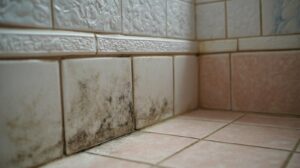
Identifying mold early is essential, as it can lead to significant health issues and structural problems. Use effective mold identification techniques, like visual inspections and moisture meters, to determine hidden growth.
Consider the following areas during your inspection:
- Walls and ceilings: Look for discoloration or bubbling paint.
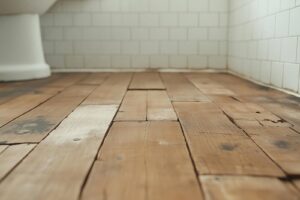
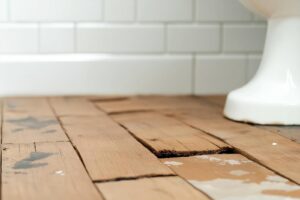
- Floors: Check for warped or soft spots, indicating water damage.
- Basements and crawl spaces: These areas are often prone to mold due to higher humidity.
- HVAC systems: Inspect for mold in ducts, which can spread spores throughout your home.
- Furniture and personal items: Assess these for any signs of mold growth.
Frequently Asked Questions
What Should I Do if Sewage Spills Into My Yard?
If sewage spills into your yard, immediately implement sewage containment strategies to prevent further spread. Then, use yard cleanup techniques like disinfecting affected areas and safely disposing of contaminated materials to restore your space.
How Can I Prevent Sewage Backups in the Future?
To prevent sewage backups, prioritize regular drain maintenance and schedule plumbing inspections. These proactive steps ensure your system runs smoothly, reducing the risk of costly mishaps and keeping your home safe and comfortable for everyone.
Are There Any Home Remedies for Sewage Odor?
You can use home solutions like baking soda and vinegar to combat sewage odor. These natural odor neutralizers effectively absorb and eliminate unpleasant smells, helping you create a more inviting and comfortable environment in your home.
When Should I Contact a Professional for Sewage Cleanup?
You should contact professional services for sewage cleanup if the situation exceeds your capabilities, involves significant contamination, or poses health risks. Timely intervention can prevent further damage and ensure a safer environment for you and your family.
What Are the Health Risks Associated With Sewage Exposure?
Sewage exposure’s a hidden storm, releasing pathogens that can wreak havoc. You might experience health symptoms like nausea, diarrhea, or skin irritation. Protect yourself; understanding these risks is crucial for your safety and well-being.
Recap
In emergency sewage cleanup, taking swift action is vital to prevent further damage and health risks. By following these seven techniques, you’ll tackle the immediate crisis and safeguard against long-term issues like mold. Remember, it’s better to be safe than sorry; thorough preparation and execution will help you weather the storm. Stay vigilant, and make sure you address every step meticulously to restore your space to a safe and healthy environment.