When dealing with sewage cleanup and mold remediation, it’s essential to follow a systematic approach. You’ll need to assess the damage quickly, ensuring you understand the extent of contamination. Safety can’t be overlooked; protective gear is necessary. From there, you’ll focus on removing contaminated materials effectively. Each step is important in preventing further issues. But what comes after cleaning and disinfecting? Exploring mold prevention strategies is key to ensuring long-term safety and health.
Key Takeaways
- Assess the damage promptly by identifying the source of contamination and documenting affected areas for insurance claims.
- Ensure safety by wearing protective gear and assessing the environment for hazards before beginning cleanup.
- Remove contaminated materials like carpets and drywall, wrapping them securely for safe disposal while documenting for records.
- Thoroughly clean and disinfect affected areas using appropriate products, allowing sufficient contact time for effectiveness.
- Implement mold prevention strategies by controlling humidity and using mold-resistant materials during renovations.
Assess the Damage Promptly
When you discover sewage contamination in your home, it’s important to assess the damage promptly to prevent further complications.
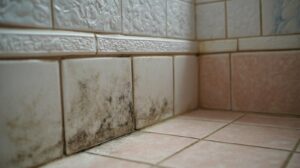
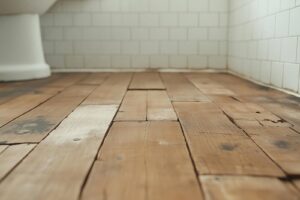
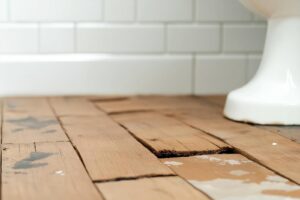
Begin your damage evaluation by identifying the source and extent of the contamination. Inspect affected areas, including floors, walls, and furnishings, to determine how far the sewage has spread. Look for signs of moisture, staining, or structural damage.
A rapid response is vital; the longer sewage remains, the higher the risk of health hazards and mold growth. Document the damage with photos and notes for insurance claims, and prioritize areas that require immediate attention.
If necessary, consult with professionals who specialize in sewage cleanup and mold remediation. They can provide a thorough assessment and ensure that all contaminated materials are handled safely.
Acting swiftly protects your home and fosters a sense of community by encouraging responsible homeownership.
Ensure Safety and Use Protective Gear
After evaluating the damage, ensuring safety becomes paramount before you proceed with cleanup efforts. You must prioritize your well-being by adhering to established safety protocols.
Start by donning appropriate protective equipment, including gloves, goggles, and a mask, to shield yourself from harmful contaminants. This gear isn’t just a suggestion; it’s essential for your protection against pathogens and irritants often found in sewage.
Before entering the affected area, assess the environment for hazards like electrical issues or structural instability. If necessary, use a respirator designed for chemical exposure to safeguard your respiratory health.
Make sure to keep any bystanders or pets away from the work zone to minimize risks.
Remove Contaminated Materials
Removing contaminated materials is a critical step in the sewage cleanup process. You’ll need to identify and safely remove items that have been affected by sewage, such as carpets, drywall, insulation, and furniture.
These materials can harbor harmful pathogens and contribute to mold growth, so don’t underestimate their impact.
When you’re ready to dispose of these contaminated materials, use appropriate disposal methods. Wrap items securely in heavy-duty plastic before transporting them to prevent contamination of other areas.
Check local regulations for hazardous waste disposal guidelines to ensure compliance.
Document what you’ve removed, as this can be important for insurance claims or future reference.
Always remember that thorough removal of contaminated materials lays the groundwork for an effective remediation process. By taking these steps, you protect your health and foster a safe environment for your community.
Thoroughly Clean and Disinfect Affected Areas
Thoroughly cleaning and disinfecting affected areas is essential for preventing further contamination and mold growth. Start by using appropriate cleaning products that are specifically designed for sewage cleanup. These products often contain powerful disinfectants that kill harmful pathogens.
When applying disinfection techniques, verify that you follow the manufacturer’s instructions for dilution and contact time to achieve peak results.
Focus on high-touch surfaces like doorknobs, light switches, and countertops. Use a heavy-duty scrub brush or cloth to remove any residue before applying your disinfectant. Allow the disinfectant to sit for the recommended time before wiping it away to verify thorough sanitation.
Ventilate the area to help dry it quickly, as moisture can foster mold growth. Regularly check affected areas for any signs of lingering odor or moisture, which may indicate the need for further cleaning.
Taking these steps will help create a safer environment for you and your loved ones.
Implement Mold Prevention Strategies
To effectively prevent mold growth, you need to address moisture issues and maintain a clean environment. Start by controlling humidity levels in your home; aim for a relative humidity of 30-60%. Use dehumidifiers in damp areas, like basements and bathrooms, to reduce excess moisture.
Incorporate mold-resistant materials in your renovations, such as mold-resistant drywall and paints, which can greatly inhibit mold growth. Regularly inspect areas prone to moisture, like plumbing fixtures and roofs, and repair leaks promptly to eliminate potential mold habitats.
Ensure proper ventilation in high-moisture areas by using exhaust fans or opening windows. Clean and maintain gutters to prevent water accumulation around your foundation.
Frequently Asked Questions
How Long Does the Sewage Cleanup Process Typically Take?
The sewage cleanup timeline typically ranges from a few hours to several days. Factors affecting cleanup duration include the extent of contamination, the type of sewage, and the property size. Proper assessment speeds up the process effectively.
Will My Insurance Cover Sewage Cleanup and Mold Remediation Costs?
Your insurance policies may cover sewage cleanup and mold remediation costs, but it depends on coverage limits and specific terms. Review your policy details and consult your agent to understand your financial protections in this situation.
Can I Perform Sewage Cleanup Myself or Should I Hire Professionals?
Cleaning sewage’s like maneuvering through a minefield; one wrong step can lead to disaster. While DIY cleanup might seem tempting, professional services ensure safety and thoroughness. Consider your health and long-term safety before deciding.
What Are the Health Risks Associated With Sewage Exposure?
Sewage exposure can expose you to harmful pathogens, leading to serious health symptoms like gastrointestinal issues, respiratory infections, and skin irritations. It’s essential to understand these risks before attempting any cleanup or remediation efforts.
How Can I Tell if Mold Is Still Present After Cleanup?
To determine if mold’s lurking like a hidden ghost, conduct thorough visual inspections and consider professional mold testing. Trust your instincts; if you see spots or smell musty odors, mold might still be present.
Recap
In tackling sewage cleanup and mold remediation, taking action swiftly can save you from bigger headaches down the line. By evaluating damage, ensuring safety, and following proper removal and cleaning procedures, you set the stage for a healthier environment. Don’t forget to implement mold prevention strategies to keep the problem from rearing its ugly head again. Remember, an ounce of prevention is worth a pound of cure—so stay proactive and protect your space from future issues.